



TDDI Technology: Enabling Slimmer and More Efficient Touch Displays
As industrial equipment, smart devices, and HMI applications continue to move toward thinner, higher-performance, and more integrated designs, display modules are also evolving rapidly. In recent years, TDDI (Touch and Display Driver Integration) technology has become an important trend in the display industry and is widely used in industrial control systems, smart devices, medical equipment, and automotive displays.
TDDI is a technology that integrates the display driver IC (DDIC) and touch controller IC into a single chip.
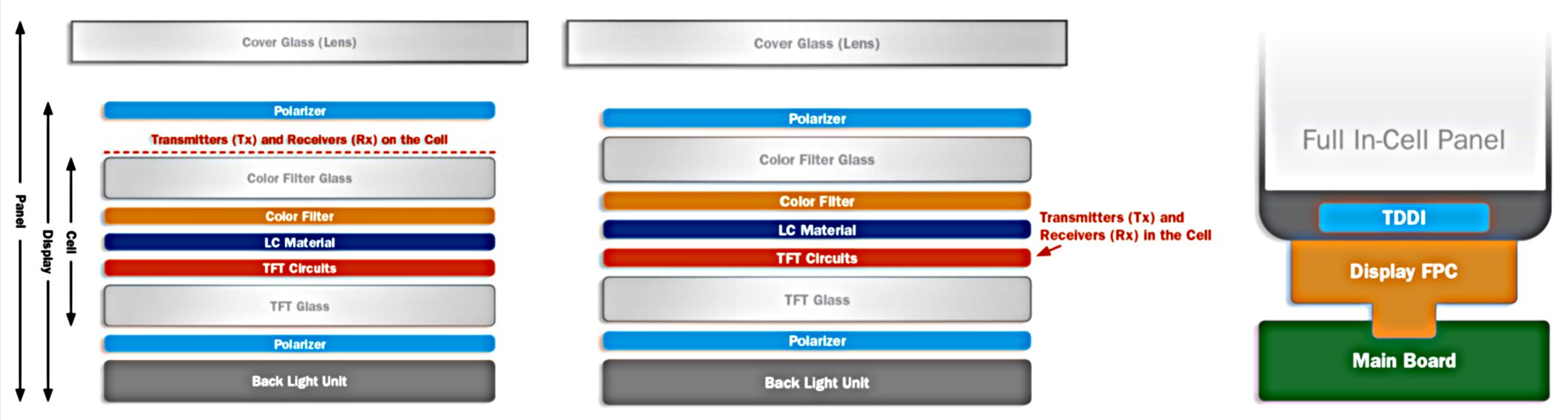
In conventional display modules, the display driver and touch controller are separated into different ICs, which increases PCB space usage and module complexity. TDDI simplifies the internal architecture by combining both functions into one highly integrated solution.
This integrated design improves overall efficiency while supporting the growing demand for thinner and higher-performance electronic devices.
Key Advantages of TDDI Technology
1. Slimmer Module Design
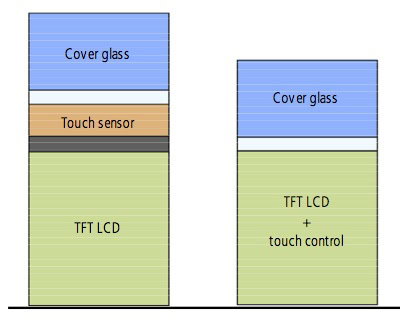
With fewer ICs and simplified internal circuitry, TDDI significantly reduces module thickness and frees up more design space.
This is particularly beneficial for handheld devices, portable terminals, and narrow-bezel designs.
2. Lower Power Consumption and System Cost
By integrating display and touch functions, TDDI reduces the need for additional components and PCB space, helping lower overall power consumption and material costs.
For industrial systems that require long operating hours, lower power consumption can also improve overall reliability.
3. Improved Touch Performance and Integration
Since both touch and display functions are processed within the same IC, TDDI improves communication efficiency, reduces signal interference, and enhances touch responsiveness.
This smoother user experience is especially valuable in industrial HMI, medical systems, and smart devices.
4. Ideal for Highly Integrated and Narrow-Bezel Designs
As modern products increasingly emphasize cleaner appearances and higher screen-to-body ratios, TDDI helps reduce internal space requirements and supports compact, narrow-bezel designs.
Applications of TDDI Technology
Today, TDDI technology is widely adopted across various industrial and smart applications, including:
Industrial Control Systems
• HMI Applications
• Smart Home Devices
• Medical Equipment
• Handheld Devices
• Automotive Display
• Self-Service Kiosks
As industrial automation and smart device markets continue to grow, the adoption of TDDI technology is expected to expand further.
Leadtek Has Developed TDDI Display Solutions
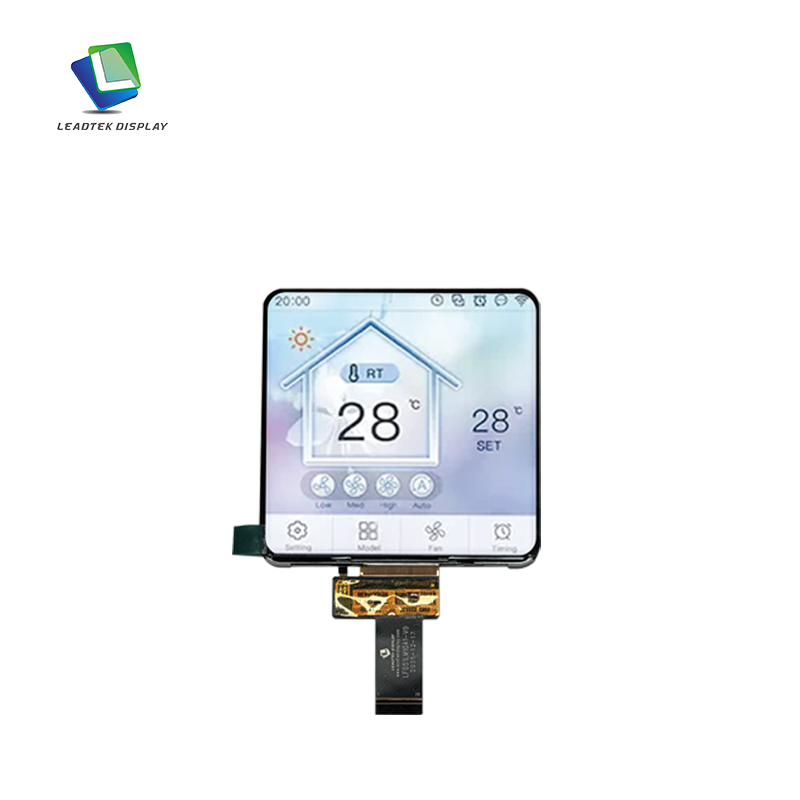
To meet the increasing demand for highly integrated, slim, and high-performance touch display solutions, Leadtek has developed TDDI-related display products and provides customized solutions for various applications,such as the LTK051FTIIT10-V0 TDDI display module designed for compact and integrated device applications.
Product Link: LTK051FTIIT10-V0
Leadtek offers flexible customization services tailored to different application requirements, including display size and resolution adjustments, high-brightness solutions, touch structure optimization, Cover Glass design, Optical Bonding integration, various interface options such as MIPI, LVDS, and RGB, as well as industrial-grade wide-temperature designs for demanding operating environments.
If you are looking for slimmer and more integrated touch display solutions, Leadtek is ready to provide professional customized display solutions and technical support tailored to your project needs.


 Microsoft Teams
 WhatsApp
 Email
Email Inquiry
 WeChat
 TOP
TOP