


How to Choose the Right Polarizer Surface Treatment: HC, AG, and AR/LR Explained
Selecting the appropriate polarizer surface treatment is essential to achieving the desired balance between durability, optical performance, and lamination reliability in LCD display modules.
The three most widely used technologies—HC (Hard Coating), AG (Anti-Glare), and AR/LR (Anti-Reflection / Low Reflection)—each serve different purposes. Understanding their characteristics and application scenarios is key to making the right choice.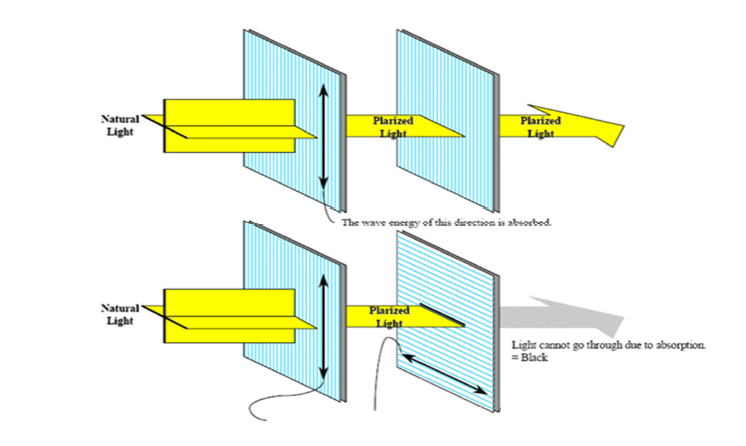
1. When to Choose HC (Hard Coating)
Key Benefits
HC coating improves surface hardness and scratch resistance by adding a protective layer on the TAC surface.
• Hardness up to 2H–3H• Enhanced resistance to scratches during handling and rework
• Improved surface durability
Typical Use Cases
Choose HC when:
• Thetop polarizer is exposedand requires protection• The product may undergofrequent cleaning or rework(e.g., OCA removal)
• Applications includeconsumer electronics and automotive displays
Considerations
• Higher water contact angle may reduce adhesion• Potentialbubble risk in large-size full lamination
2. When to Choose AG (Anti-Glare)
Key Benefits
AG treatment reduces glare by diffusing reflected light through a micro-structured surface.
• Reduced reflection and glare• Anti-fingerprint and anti-smudge effect
• Improved readability under strong ambient light
Typical Use Cases
Choose AG when:
• The display is used inbright environments• The module isnot fully laminated(air gap or frame bonding)
• ReducingNewton ringsis important (especially for bottom polarizer)
Considerations
• May reduce display clarity infull lamination (OCA)structures• Fine matte (low haze) is preferred if AG must be used
3. When to Choose AR / LR (Anti-Reflection / Low Reflection)
Key Benefits
AR/LR coatings reduce surface reflectance through optical interference, enhancing contrast and visibility.
• Reflectance reduced from ~5–6% to:
<1% (LR)
~0.3–0.5% (AR)• Improved contrast and outdoor readability
Typical Use Cases
Choose AR/LR when:
• High-end displays requiremaximum optical performance• Applications includelaptops, monitors, and automotive displays
• Reflection reduction is more critical than cost
Considerations
• Higher cost compared to HC and AG• Typically applied totop polarizer only
Quick Selection Guide
|
Requirement |
Recommended Treatment |
|
Scratch resistance |
HC |
|
Anti-glare / anti-fingerprint |
AG |
|
Maximum clarity & low reflection |
AR / LR |
|
Reduce Newton rings (bottom polarizer) |
AG |
|
Full lamination (OCA) |
HC or AR (avoid AG if possible) |
Conclusion
There is no one-size-fits all solution when it comes to polarizer surface treatments. The optimal choice depends on display structure, environmental conditions, and performance priorities.
Solution Support
Leadtek provides a comprehensive range of polarizer surface treatment solutions, including HC, AG, and AR/LR options. With flexible customization capabilities, Leadtek supports applications across consumer electronics, industrial systems, and automotive displays—helping customers achieve the ideal balance between performance, reliability, and cost.
For tailored recommendations or technical support, feel free to contact our team.


 Microsoft Teams
 WhatsApp
 Email
Email Inquiry
 WeChat
 TOP
TOP